
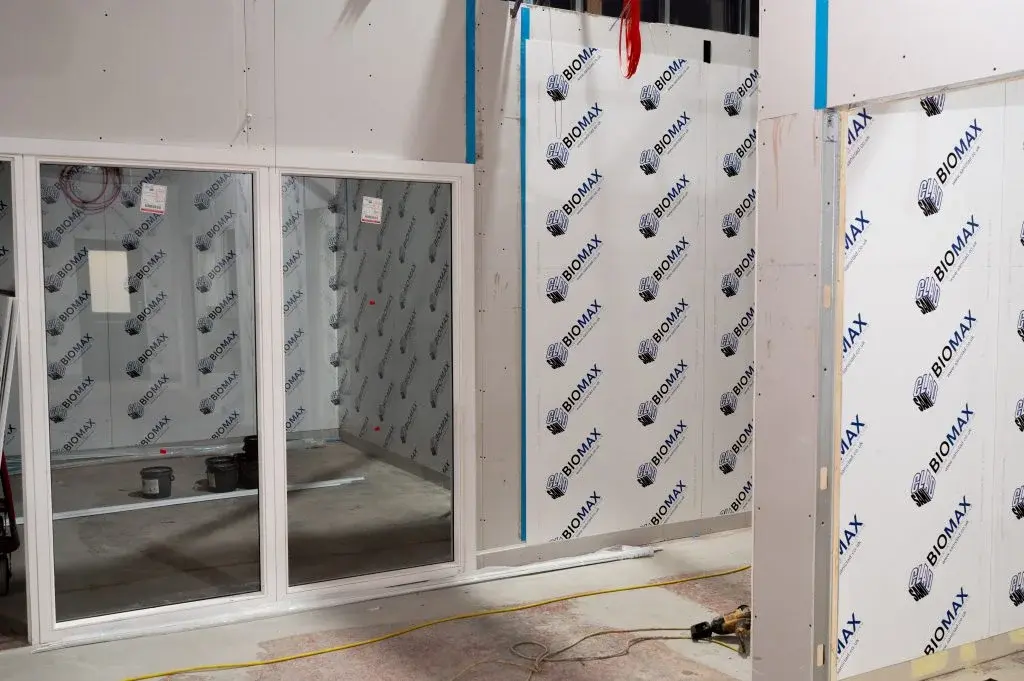
Maintaining high standards of hygiene and durability is essential in many modern commercial environments. From busy commercial kitchens to healthcare facilities and laboratories, businesses need wall surfaces that can withstand daily use while remaining easy to clean and maintain. One solution that has become increasingly popular across multiple sectors is PVC wall cladding.
PVC wall cladding provides a hygienic, durable, and visually appealing surface that supports strict cleanliness standards while protecting walls from damage. Its non-porous structure prevents the build-up of bacteria and moisture, making it suitable for environments where hygiene is a top priority.
Because of these qualities, PVC wall cladding has become a versatile choice for industries that require both functionality and long-term reliability.
Supporting Hygiene in the Food Service Industry
The food service industry operates under strict hygiene regulations to ensure food safety and prevent contamination. Restaurants, cafés, commercial kitchens, and food processing facilities must maintain clean working environments at all times.
PVC wall cladding offers an effective solution for these settings. Its smooth, non-porous surface prevents food particles, grease, and liquids from penetrating the wall surface. This makes it much easier to clean compared to traditional painted or tiled walls.
In busy kitchen environments, walls are frequently exposed to heat, moisture, and food preparation activities. PVC cladding is resistant to stains, moisture, and bacteria, helping businesses maintain hygienic working conditions.
Another advantage is the ease of installation and maintenance. Once installed, PVC wall cladding requires minimal upkeep, allowing food service businesses to focus on operations rather than ongoing repairs or repainting.
Enhancing Hygiene in Healthcare Environments
The versatility of PVC wall cladding is a top choose for healthcare facilities as they have some of the strictest hygiene requirements of any industry. Hospitals, clinics, and care homes must maintain sterile environments to reduce the risk of infection and protect both patients and staff.
PVC wall cladding is well suited to these environments due to its antimicrobial properties and easy-clean surface. The smooth finish eliminates gaps or crevices where bacteria can accumulate, supporting infection control procedures.
In areas such as hospital wards, operating theatres, treatment rooms, and corridors, surfaces must withstand frequent cleaning using strong disinfectants. PVC cladding is designed to handle these rigorous cleaning processes without deteriorating or losing its hygienic properties.
As a result, healthcare facilities benefit from a reliable wall protection system that contributes to maintaining safe and controlled environments.
Creating Safe and Controlled Laboratory Spaces
Laboratories require controlled environments where contamination must be prevented and safety standards strictly maintained. Research laboratories, pharmaceutical facilities, and biotechnology labs often deal with chemicals, sensitive experiments, and sterile processes.
PVC wall cladding offers several advantages for these settings. Its resistance to chemicals makes it suitable for areas where reactive substances or laboratory cleaning agents may be used.
The smooth surface also allows walls to be cleaned and disinfected quickly, helping maintain sterile working conditions. This is particularly important in pharmaceutical and biotechnology laboratories where maintaining precise environmental standards is essential for research accuracy.
By providing a durable and easy-to-maintain surface, PVC cladding helps ensure laboratories remain both functional and safe.
A Balance of Hygiene, Durability, and Design
While hygiene and functionality are the primary reasons many industries choose PVC wall cladding, the material also offers flexibility in design. Modern cladding systems are available in a range of colours and finishes, allowing businesses to create interiors that match their branding or design preferences.
For example, hospitality environments may choose colours that complement their interior design, while healthcare facilities often prefer clean, neutral tones that reinforce a professional and clinical appearance.
This flexibility means businesses do not have to sacrifice aesthetics in order to maintain hygiene standards.
Long-Term Durability and Cost Efficiency
Another key advantage of PVC wall cladding is its durability. Commercial environments can be demanding, with walls exposed to frequent cleaning, impact, moisture, and daily wear.
PVC cladding is designed to withstand these conditions without cracking, peeling, or deteriorating easily. This makes it a cost-effective long-term investment for businesses seeking to reduce maintenance and repair costs.
Instead of repeatedly repainting or repairing damaged walls, PVC cladding provides a protective surface that helps maintain the appearance and functionality of interior spaces for years.
A Reliable Solution for Multiple Industries
The wide range of benefits offered by PVC wall cladding makes it suitable for many industries where hygiene, durability, and easy maintenance are essential. From food service and healthcare to laboratories and commercial workplaces, the material provides a practical and reliable wall protection solution.
By combining hygienic performance with durability and design flexibility, PVC wall cladding continues to be a trusted choice for businesses seeking to maintain clean, safe, and professional environments. The versatility of PVC wall cladding across different industries is why this remains the number 1 choice.
<< Back To Blog Home
