
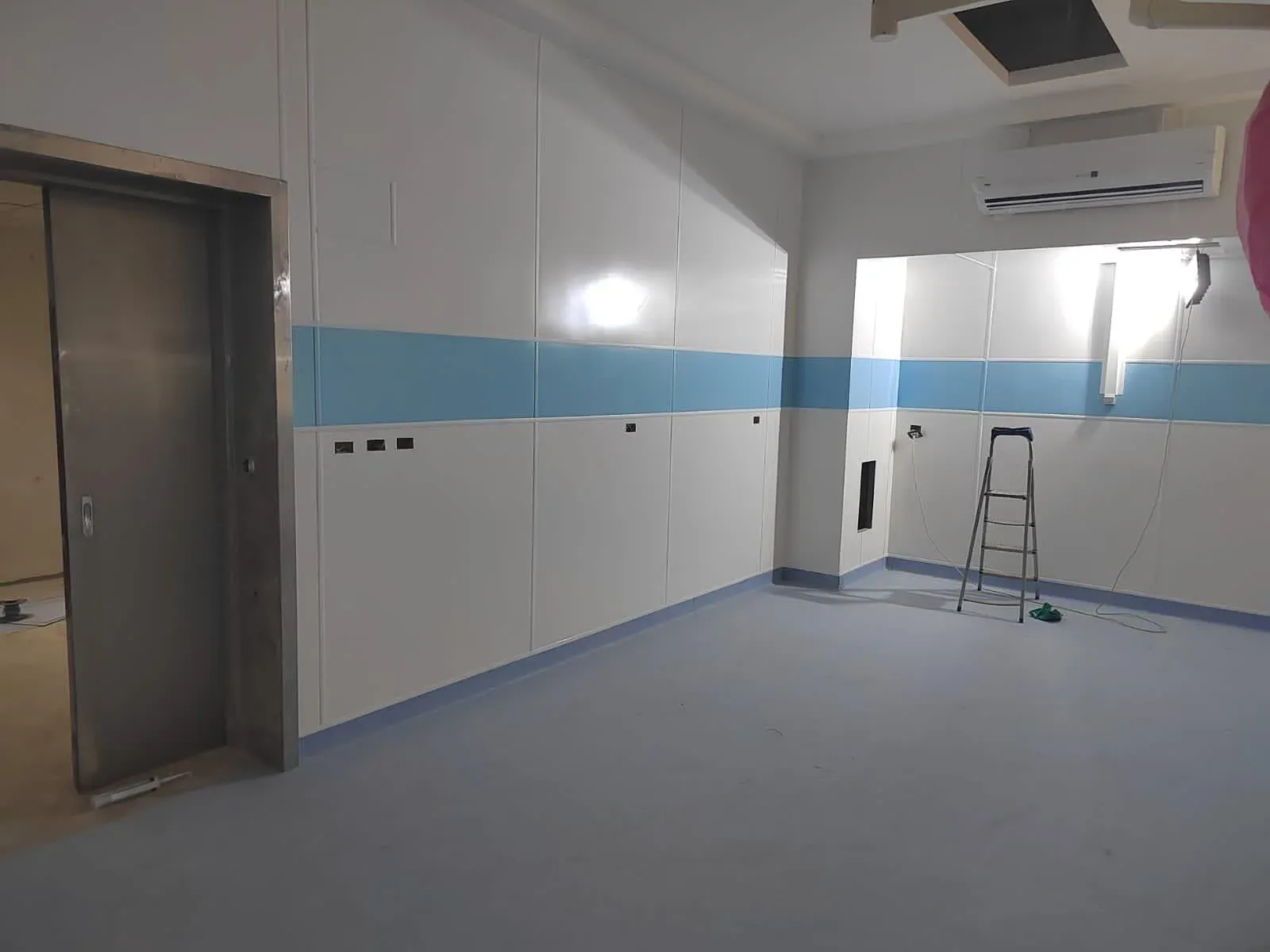
When people think about hygienic wall cladding, the first image that usually comes to mind is a bright white wall with a clinical, sterile appearance. For many years this has been the standard in environments where cleanliness is essential. White cladding has traditionally been associated with commercial kitchens, food preparation areas, healthcare facilities, and laboratories because it creates a clean, professional look and makes it easier to spot dirt or contamination.
While white hygienic wall cladding remains a practical and reliable choice, modern interior design and product innovation have expanded the possibilities significantly. Today, businesses are no longer restricted to a single colour when designing hygienic spaces. With the introduction of coloured hygienic wall cladding, organisations can maintain strict hygiene standards while also creating interiors that reflect their brand identity and overall aesthetic.
This shift is particularly important for businesses that want their spaces to feel welcoming, modern, and aligned with their brand image. From restaurants and cafés to healthcare facilities and food production environments, coloured hygienic wall cladding allows companies to move beyond the traditional clinical look while still benefiting from the durability and cleanliness these surfaces provide.
One of the key benefits of coloured hygienic wall cladding is the ability to create a more visually appealing environment without compromising functionality. Modern cladding panels are designed to be smooth, non-porous, and easy to clean, which helps prevent the build-up of bacteria and dirt. These hygienic properties remain the same regardless of the colour selected, meaning businesses can prioritise both appearance and safety.
Neutral tones are often a popular choice for professional environments. Colours such as soft greys, light creams, and subtle beiges provide a clean and sophisticated look while maintaining the sense of order and professionalism expected in hygienic spaces. These tones work particularly well in healthcare settings, laboratories, and food preparation areas where a calm and controlled atmosphere is important.
At the same time, more vibrant colours can be used to add personality and energy to commercial interiors. Restaurants, cafés, and retail food environments often benefit from bold colours that reflect their brand identity or enhance the customer experience. For example, warm tones can create a welcoming atmosphere, while brighter shades may be used to add visual interest or support brand recognition.
Colour can also play a practical role in certain environments. In food production facilities, for example, different colours may be used to distinguish between zones or departments. This can help improve organisation and workflow while also supporting hygiene management practices.
Beyond appearance, hygienic wall cladding is designed to withstand demanding conditions. These panels are highly durable and resistant to moisture, stains, and everyday wear and tear. They are built to handle frequent cleaning, including the use of commercial cleaning products, which makes them ideal for environments where hygiene regulations must be carefully maintained.
Another advantage is the long-term cost efficiency that hygienic cladding can provide. Unlike painted walls, which may chip, peel, or require regular repainting, cladding panels offer a robust and long-lasting surface. Once installed, they provide reliable wall protection for many years, reducing maintenance costs and helping businesses maintain a consistently clean appearance.
Coloured hygienic wall cladding can also improve the overall working environment for employees. While hygiene and functionality remain the priority, the visual quality of a workspace still matters. Introducing colour into an otherwise sterile environment can make spaces feel less harsh and more comfortable for staff who spend long hours in these areas.
In customer-facing environments, thoughtful interior design can also influence how a business is perceived. Cleanliness is crucial, but so is atmosphere. When a space looks modern, well-maintained, and professionally designed, it can help build trust and confidence among customers and visitors.
Ultimately, the development of coloured hygienic wall cladding shows how functional materials are evolving to meet both practical and aesthetic needs. Businesses no longer have to choose between strict hygiene standards and attractive interior design. Instead, they can achieve both with the right cladding solution.
By combining durability, easy maintenance, and a wide range of colour options, coloured hygienic wall cladding allows organisations to create spaces that are not only safe and compliant but also visually engaging. It’s a simple yet effective way to bring personality and professionalism into environments where cleanliness remains the top priority. Contact us to find out more about why coloured cladding Is changing commercial interiors.
<< Back To Blog Home
