CLICK AND COLLECT



How Hygienic Cladding Can Save Money Long Term vs Traditional Finishes
Looking Beyond Upfront Costs
When it comes to wall finishes in food production, healthcare, and wet environments, cost is often the first consideration. Tiles and paint may appear cheaper initially, but the true cost of ownership tells a different story. Hygienic wall cladding, such as Saniclad’s high-performance systems, is designed to provide significant long-term savings by reducing maintenance, downtime, and replacement needs.
The Problem With Traditional Finishes
Tiling brings with it grout lines that absorb dirt, harbour bacteria, and require constant regrouting or repair.
Paint is prone to peeling, staining, and damage in high-moisture areas, often needing full recoats every few years.
Each of these finishes not only adds to ongoing costs but also risks downtime when repairs or maintenance are required.
How Hygienic Cladding Reduces Costs Over Time
- Lower Installation Costs
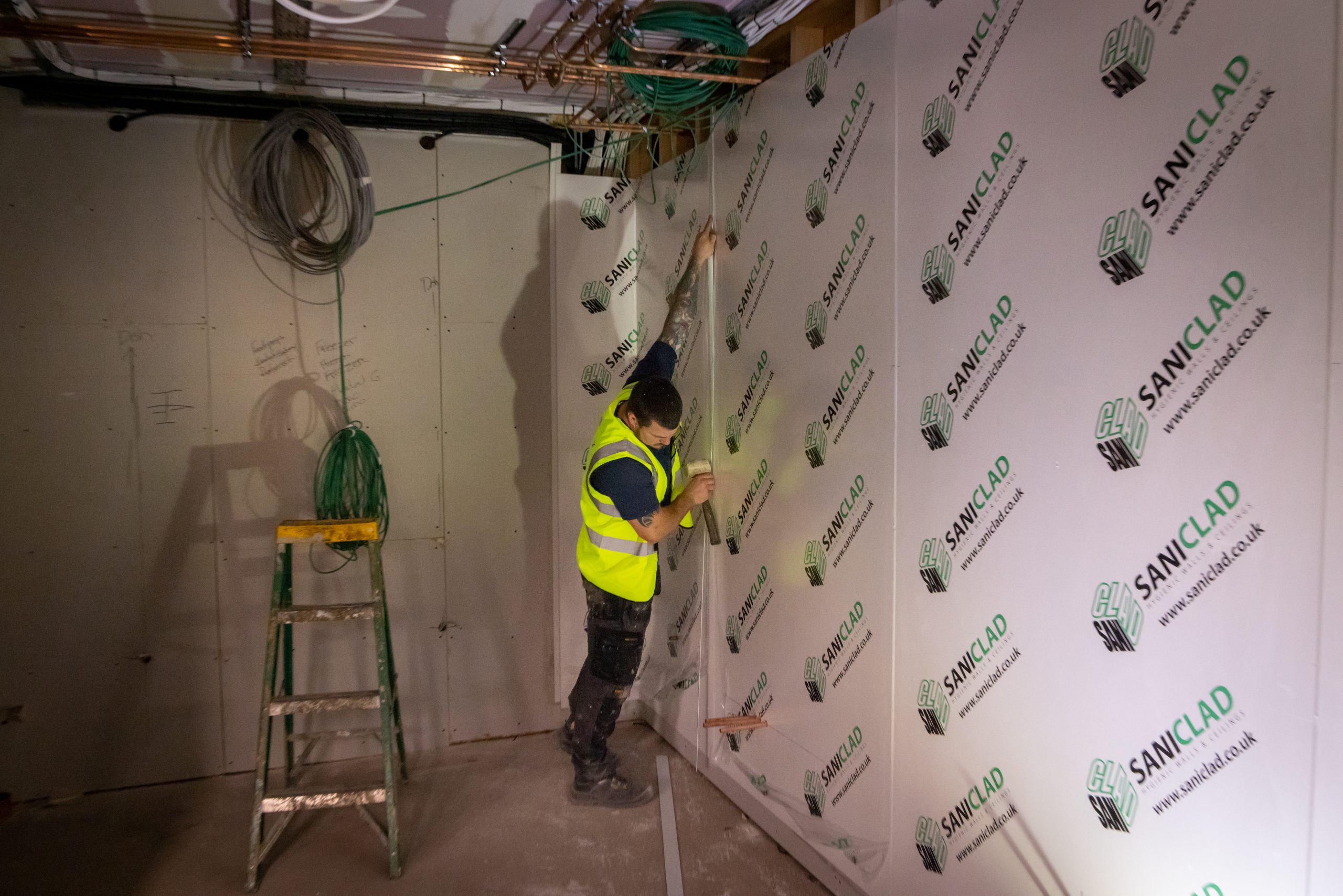
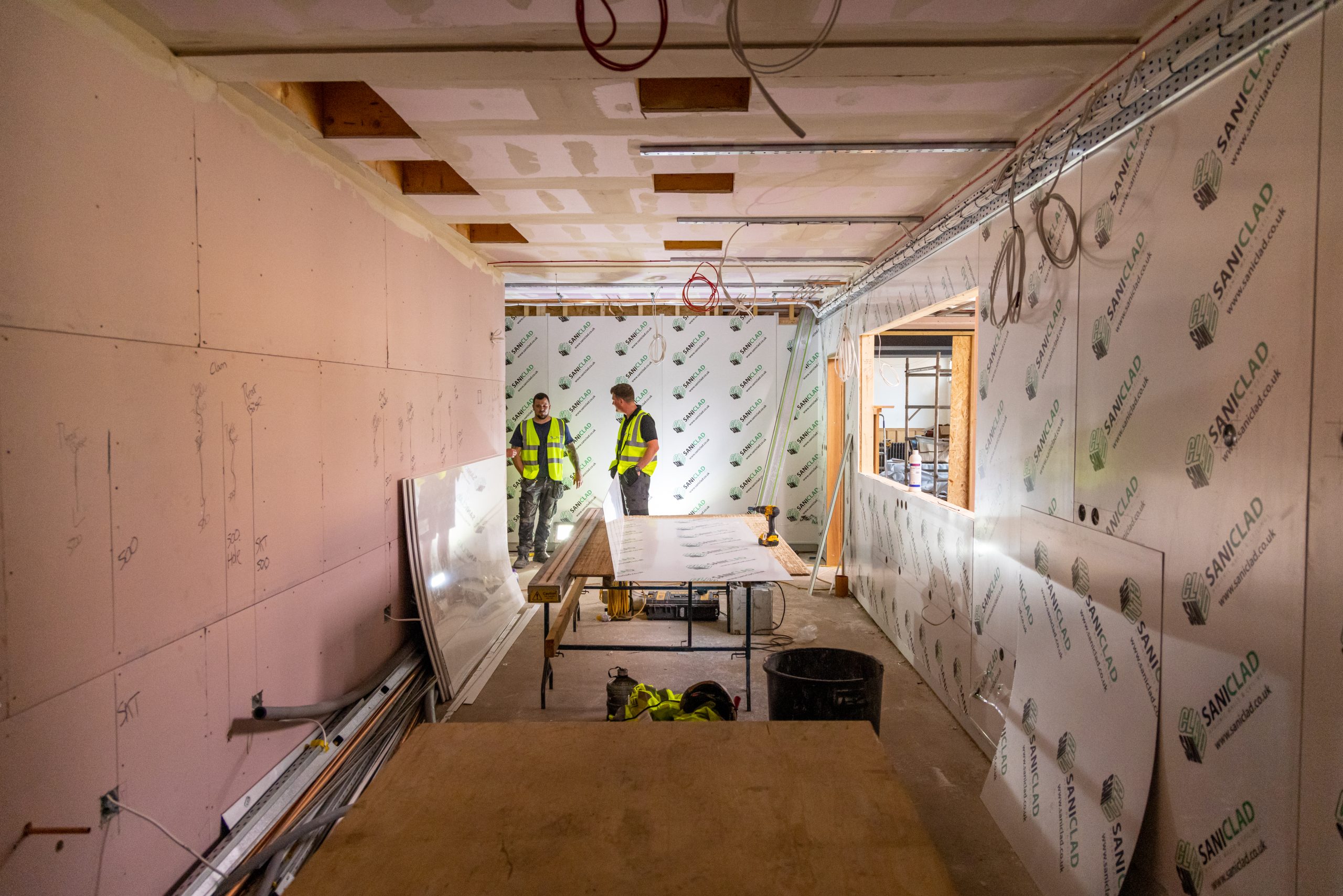
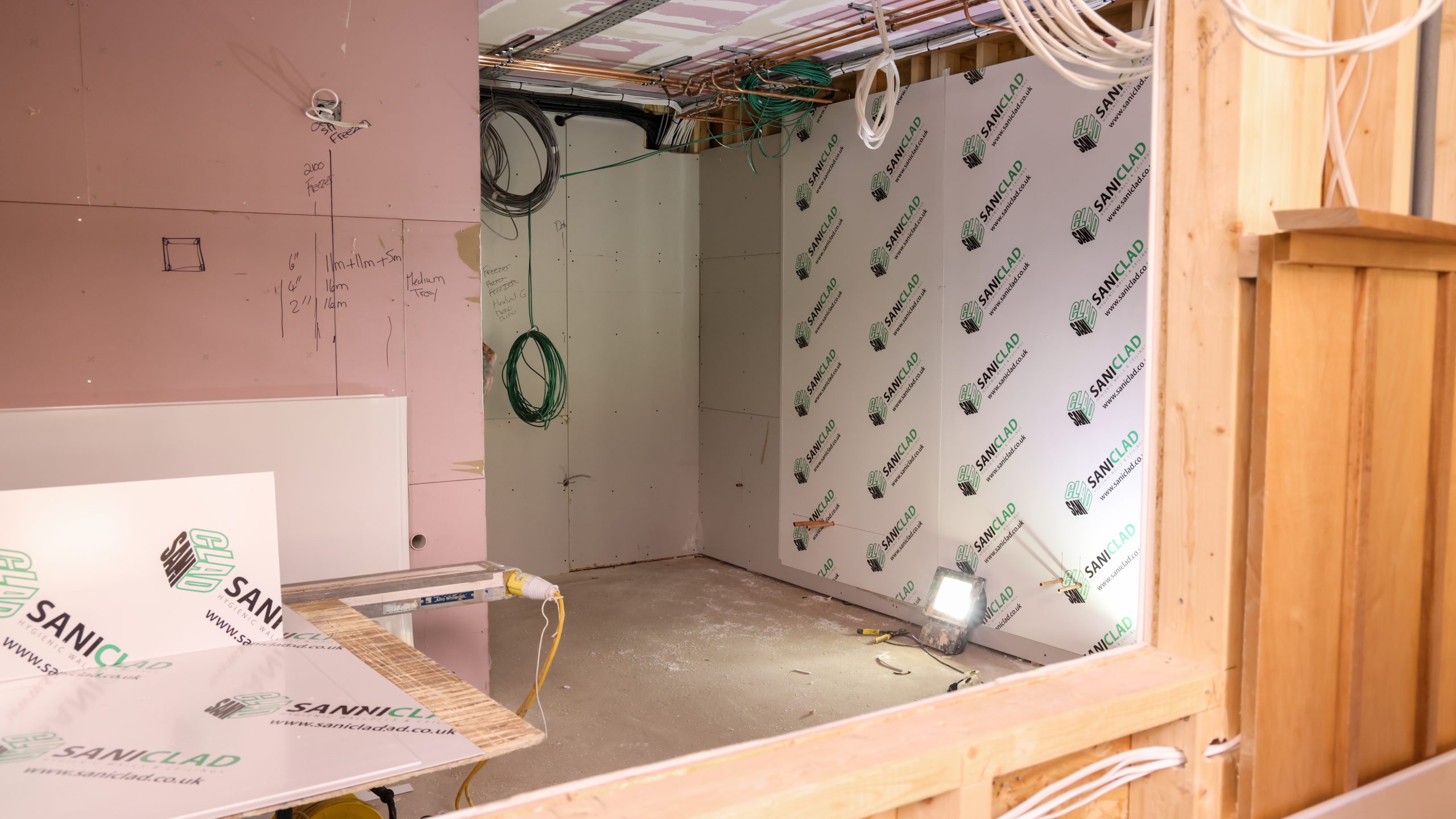
PVC hygienic cladding is quicker and easier to install compared to tiling or stainless steel. Less labour time means lower installation costs and faster project completion.
- Reduced Downtime
Every day a kitchen, hospital ward, or food production facility is closed for repairs equals lost revenue. Hygienic cladding’s fast installation and minimal maintenance requirements mean fewer closures and disruptions to operations.
- Minimal Maintenance
Unlike grout or paint, hygienic cladding is seamless and easy to clean. There’s no need for costly regrouting, repainting, or deep scrubbing. Simple wipe-downs with approved cleaning agents keep the surfaces compliant and looking professional.
- Fewer Replacements
Saniclad cladding is impact-resistant, water-resistant, and fire-rated, making it far more durable than paint or tiles. A long defect warranty (up to 20 years) means you avoid the cycle of replacing worn or damaged finishes every few years.
- Lower Cleaning Costs
Because hygienic cladding resists stains, mould, and bacterial build-up, staff spend less time cleaning – and less money is spent on specialist cleaning chemicals. Over time, these savings add up significantly.
- Compliance Savings
In sectors governed by strict hygiene regulations, non-compliant finishes can lead to failed inspections, fines, or forced closures. Hygienic cladding helps ensure compliance with health and safety standards, reducing financial risk.
Long-Term Value Over Short-Term Savings
Investing in Saniclad hygienic wall cladding is about more than aesthetics – it’s about protecting budgets as well as hygiene standards. With reduced maintenance, fewer replacements, and lower cleaning costs, hygienic cladding delivers a superior return on investment.
For businesses that value compliance, durability, and long-term savings, hygienic cladding is the smarter choice.